
Foundation Crack Repair Toronto
Foundation crack repair, sealed from inside.
Polyurethane seals active leaks; epoxy restores structural strength. We inject the right material for the right crack.
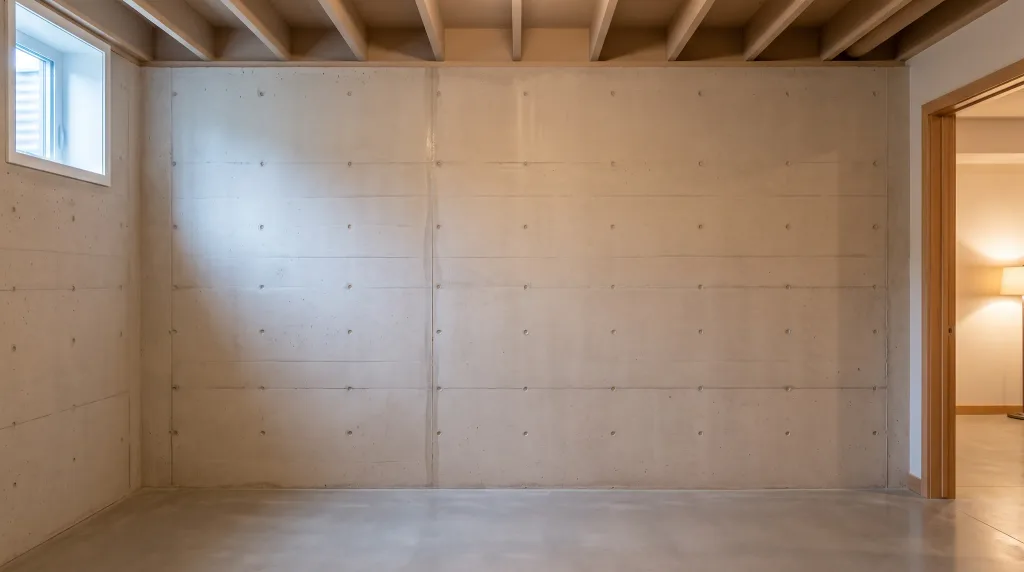
Foundation crack types we diagnose and seal.
Not all cracks are the same. We identify the type, the cause, and the right material before injecting anything.
Polyurethane Injection
Epoxy Injection
Poured Concrete Foundation Cracks
Block Wall Crack Repair
Slab Floor Crack Injection
Window & Penetration Sealing
Polyurethane Injection
Active & wet cracks
Expands on contact with water to seal active leaks. Best for cracks with active moisture or seasonal water entry.
Epoxy Injection
Structural crack repair
Bonds concrete with tensile strength equal to the original. Used for dry, stable cracks needing structural restoration.
Poured Concrete Foundation Cracks
Most common GTA failure
Vertical shrinkage cracks on post-war Toronto homes are routine. Horizontal cracks signal structural stress, we assess both.
Block Wall Crack Repair
Mortar joint sealing
Concrete block foundations crack at mortar joints differently than poured walls. We inject and regrout the affected course.
Slab Floor Crack Injection
Below-grade floor sealing
Floor cracks in basement slabs allow groundwater and radon entry. We inject and resurface to eliminate both.
Window & Penetration Sealing
Around frames & utilities
Where pipes, conduits, and window frames penetrate the foundation, gaps allow water entry that injection seals permanently.
Foundation crack leaking right now? Polyurethane injection is a same-day fix across the GTA.
Why Blue Knight injects it once and it stays sealed.
Right material for the crack
No excavation required
Poured concrete specialists
Structural assessment first
Same-day response
Right material for the crack
Active wet cracks need polyurethane. Dry structural cracks need epoxy. Using the wrong one fails.
No excavation required
Most foundation cracks can be permanently sealed from inside without excavating the exterior.
Poured concrete specialists
Most Toronto homes built 1950-1980 have poured concrete foundations, the crack system we know best.
Structural assessment first
We assess crack type, direction, and cause before injecting anything.
Same-day response
A crack with active water entry needs fast response. We prioritize active leak calls.
“The right injection material makes the difference between a 20-year fix and a call-back in two years.”
“The right injection material makes the difference between a 20-year fix and a call-back in two years.”
Rated 5 out of 5Blue Knight was, by far, the best. Responsive, ethical, totally professional — and their crew went above and beyond at no extra charge.
Rated 5 out of 5They installed a full new roof in one day. The crew worked around the house without us hardly knowing they were there.
Rated 5 out of 5I emailed at 4 a.m. and spoke with someone that same day. Estimate and completed work all within one day. Pricing was fair, work was excellent.
I emailed at 4 a.m. and spoke with someone that same day. Estimate and completed work all within one day. Pricing was fair, work was excellent.
Blue Knight was, by far, the best. Responsive, ethical, totally professional — and their crew went above and beyond at no extra charge.
They installed a full new roof in one day. The crew worked around the house without us hardly knowing they were there.
Luciano did not try to sell me a new roof. Appreciated the honesty — he showed up when he said he would.
We had a leak diagnosed by two other contractors who could not find the source. Blue Knight found it on the first visit and fixed it the same week.
Flat roof replacement on a commercial unit. Clean, fast, no surprises on the invoice. The crew left the site cleaner than they found it.
Called after a storm damaged our roof. Someone was on site within hours, tarped everything, and had us fully repaired before the next rain.
Had a slow basement leak for years. Every other company just caulked it. Blue Knight found the actual source and did a proper waterproofing job. No issues since.
Our neighbours recommended them for a valley repair. Small job, but they treated it like it mattered — showed up on time, matched the shingles perfectly, and charged exactly what they quoted.
Our Work.
Rooftops across the GTA.
From downtown Toronto to the 905 and beyond, one crew, one warranty, twenty-five years of GTA rooflines.
Service availability may vary. Call (647) 383-8664 to confirm coverage for your area.
Rooftops across the GTA.
From downtown Toronto to the 905 and beyond, one crew, one warranty, twenty-five years of GTA rooflines.
Service availability may vary. Call (647) 383-8664 to confirm coverage for your area.
Crack injection questions.
Single poured concrete foundation crack: $500-$1,500 depending on crack length. Multiple cracks in one visit are discounted. Block wall mortar joint repair: $300-$800 per affected course. Fixed-price estimate provided after assessment.
Polyurethane for active, wet, or seasonally active cracks, it expands on contact with water and stays flexible. Epoxy for dry, stable cracks where structural restoration is the goal, it cures rigid and bonds with tensile strength exceeding the original concrete. Using epoxy in a crack that still moves will re-crack it within a year.
Yes, for poured concrete shrinkage cracks that have stabilized. Polyurethane permanently seals cracks that no longer move. Structural cracks, horizontal wall cracks, stair-step cracks, or any crack associated with active wall movement, require structural assessment first. Injection seals these temporarily but does not fix the underlying movement.
Almost never. Both polyurethane and epoxy injection are done entirely from the interior, which means neither excavation nor landscaping damage. Excavation is only considered when exterior membrane waterproofing is being installed at the same time or when the crack has caused damage to the drainage system outside the wall.
Polyurethane injection in a stable crack: 15-25 years. Epoxy injection in a non-moving crack: effectively permanent. Cracks that recur are typically associated with ongoing wall movement, a sign the crack was structural, not just shrinkage, and needs further investigation.
Yes, by excavating down the wall at the crack and sealing it with membrane from the exterior. That makes sense where the interior wall is finished and cannot be opened, or where the crack is one of several on the same wall. For a single crack in an accessible poured wall, injection from inside seals the full depth of the crack for a fraction of the cost of a dig.
Yes. Floor cracks are usually shrinkage and let in little water on their own, but a floor crack that seeps after rain points at water pressure under the slab, which is a drainage question as much as a crack one. We seal the crack and check that the weeping tile and sump are doing their job before calling it fixed.
What GTA Homeowners Ask About Foundation Crack Injection.
From polyurethane vs. epoxy to structural crack assessment, answered by 25-year GTA waterproofing specialists.
Polyurethane is a two-component foam that expands when it contacts moisture. Injected under low pressure through ports placed along the crack length, it foams and expands to fill voids and seal against water. It remains flexible after curing, accommodating minor wall movement without re-cracking. The preferred material for any crack with active or seasonal water entry.
In a stable crack, 15-25 years under Toronto climate conditions. The material handles freeze-thaw cycling well because it remains flexible rather than rigid. Cracks that recur after injection are typically associated with ongoing foundation movement, not injection failure.
Yes. Polyurethane expands on contact with moisture and cures in cold temperatures, not temperature-sensitive in the way exterior coatings are. We perform injection year-round, including active winter leaks where water is entering through the crack during the repair.
Epoxy restores structural strength to a dry, stable crack. Unlike polyurethane, epoxy cures rigid and bonds the crack faces together with tensile strength exceeding the original concrete. Used when a crack has compromised structural capacity, in load-bearing walls, retaining walls, or walls that have experienced point loading. Not appropriate for active or seasonally moving cracks.
- What is polyurethane crack injection and how does it work?
- Polyurethane is a two-component foam that expands when it contacts moisture. Injected under low pressure through ports placed along the crack length, it foams and expands to fill voids and seal against water. It remains flexible after curing, accommodating minor wall movement without re-cracking. The preferred material for any crack with active or seasonal water entry.
- How long does polyurethane crack injection last in Toronto?
- In a stable crack, 15-25 years under Toronto climate conditions. The material handles freeze-thaw cycling well because it remains flexible rather than rigid. Cracks that recur after injection are typically associated with ongoing foundation movement, not injection failure.
- Can polyurethane crack injection be done in winter in Toronto?
- Yes. Polyurethane expands on contact with moisture and cures in cold temperatures, not temperature-sensitive in the way exterior coatings are. We perform injection year-round, including active winter leaks where water is entering through the crack during the repair.
- What is epoxy crack injection used for?
- Epoxy restores structural strength to a dry, stable crack. Unlike polyurethane, epoxy cures rigid and bonds the crack faces together with tensile strength exceeding the original concrete. Used when a crack has compromised structural capacity, in load-bearing walls, retaining walls, or walls that have experienced point loading. Not appropriate for active or seasonally moving cracks.
- How do I know if my foundation crack needs epoxy or polyurethane?
- Active or seasonally wet crack → polyurethane. Dry, stable crack with structural concern → epoxy. If both conditions exist, assess with us first. Injecting epoxy into a crack that still has seasonal movement will fracture the epoxy bond within one or two freeze-thaw cycles.
- Can epoxy injection repair a structural crack in a Toronto foundation?
- Epoxy injection can restore the tensile strength of a dry structural crack in a poured concrete foundation. It does not address the cause of the cracking, settlement, hydrostatic pressure, or wall movement. If the structural condition causing the crack has not been resolved, the crack will re-open adjacent to the epoxy repair. We assess the cause before recommending epoxy and will flag when excavation or underpinning is required.
- How do I know if my foundation crack is structural or a shrinkage crack?
- Shrinkage cracks: typically vertical, hairline to 3mm wide, located mid-wall, not associated with wall deflection. Structural cracks: horizontal (most serious, indicates wall bending), diagonal or stair-step, wider at one end, associated with visible wall bulge or lean, or recurring after injection. Any horizontal crack or any crack wider than 5mm should be assessed by a specialist before injection.
- Are horizontal cracks in a Toronto basement wall serious?
- Yes, horizontal cracks indicate lateral soil pressure is overcoming the wall's resistance: the wall is bending inward. Caused by saturated clay, freeze-thaw lateral pressure, and unsupported wall span. Injection seals the water entry but does not address the structural condition. A structural engineer assessment is required for any active horizontal crack.
- My Toronto basement has stair-step cracks, what does that mean?
- Stair-step cracks follow mortar joints diagonally through a concrete block wall, indicating differential settlement, one foundation section moving relative to another. Common in older Toronto homes where original footings have shifted due to soil movement or frost heave. Should be structurally assessed before injection is specified.
- How much does foundation crack injection cost in Toronto?
- Single poured concrete foundation crack: $500-$1,200 for polyurethane injection. Epoxy: $700-$1,500. Multiple cracks in one visit are discounted. Block wall mortar joint repair: $300-$800 per affected course. Fixed written price after visual assessment, and the figure does not change afterwards.
- Is crack injection cheaper than excavating the foundation?
- Significantly. Crack injection: $500-$1,500. Exterior excavation to membrane-coat the same location: $8,000-$25,000 depending on depth and access. Injection is correct for isolated shrinkage cracks. Excavation is warranted when the full exterior membrane needs replacement or when drainage system failure is the root cause.
- Does home insurance cover foundation crack repair in Toronto?
- Sudden crack events may be covered. Gradual settlement cracks and shrinkage cracks developing over years are maintenance exclusions from standard Ontario home insurance. We document the crack condition and water staining history, which supports any claim you attempt.
- How many injection ports are needed for a foundation crack?
- One port every 8-12 inches along the crack length. A 4-foot crack requires approximately 4-6 ports. Polyurethane requires closer port spacing than epoxy. We place ports at the low end first, injecting upward to ensure complete fill verified by bleed-back at the next port.
- How long does crack injection take?
- Most single residential foundation cracks: 1-3 hours on site. Polyurethane sets in 15-30 minutes; epoxy achieves full cure in 24-48 hours, though the crack is sealed immediately. Typically done within a half day for a standard residential call.
- Can I inject a foundation crack myself?
- DIY kits are available for short, clearly visible surface cracks. The failure rate on DIY injection is high because correct port spacing, injection pressure, and material selection are diagnostic skills. An incorrectly injected crack is harder to re-inject because partially cured material blocks the void. Professional injection is recommended for any crack longer than 6 inches or with active water entry.
- What happens after crack injection, how do I know it worked?
- The injected crack is dry immediately after polyurethane sets. We test by spraying water across the injection area and checking for bleed-through. For active leak calls, we confirm dry before leaving the site. We schedule a follow-up observation for any crack with a complex history.
More ways Blue Knight can help.
Basement & Below-Grade
Learn more WaterproofingWeeping Tile & Drainage
Learn more WaterproofingSump Pump Installation
Learn moreReady to schedule your estimate?
We come to you, assess the roof, and give you a written quote. You are not obliged to proceed. Most estimates completed same week.